Printed packaging brand experience — a practical guide from Packsmith India, a corrugated and printed box factory at IMT Kharkhoda, Delhi NCR. It looks at the box as the first thing a customer touches.
Why Printed Packaging Is More Than Just a Box – It’s a Brand Experience
Packaging Is the First Handshake of Your Brand
Your packaging isn’t just a container — it’s your brand’s first impression. Before a customer even touches the product, the box speaks. It tells your story, reflects your quality, and influences how your brand is perceived.
For brand owners and corporate procurement teams, printed packaging has evolved from being a cost element to becoming a strategic marketing tool. It’s not merely about protection anymore — it’s about presentation, connection, and recall.
Printed Packaging Builds Instant Brand Recognition
When you see a Tiffany blue box or the Amazon smile logo, you instantly recognize the brand.
That’s the power of printed packaging.
Your packaging design — colors, typography, and finish — becomes your visual signature.
When done right, it reinforces brand consistency across all touchpoints — from retail shelves to delivery boxes.
A well-printed box helps your customers identify your brand instantly and remember it long after the product is consumed.
It’s not just a box — it’s a brand identity in physical form.

Unboxing Is Now Part of the Customer Experience
In the digital era, unboxing has become a brand event. People record it, share it, and remember it.
The excitement your packaging creates can make a customer feel special, valued, and proud of their choice.
High-quality printed packaging, with finishes like matte lamination, embossing, or UV coating, creates a premium experience that strengthens brand loyalty and emotional connection.
Packaging Reflects Product Quality
According to Ipsos research, 72% of consumers say packaging design influences their purchase decision.
A sturdy corrugated box with sharp printing communicates quality and attention to detail.
Dull or flimsy packaging can suggest that the product itself may lack quality — even if it’s excellent inside.
For brand owners, investing in printed packaging isn’t an expense — it’s an investment in perception and trust.
A Story Printed on Every Box
Every brand has a story — and your printed box is the most visible storyteller.
Your packaging can display:
Your logo and tagline
Product details and usage instructions
Sustainability or “Made in India” messages
QR codes linking to digital campaigns
This transforms your packaging into an interactive communication tool that reinforces credibility, especially in B2B supply environments.
Sustainability and Printing: A Growing Expectation
Today’s corporate buyers prefer eco-friendly packaging suppliers.
With recyclable materials, water-based inks, and minimalistic designs, printed corrugated boxes can help brands achieve sustainability goals.
When you print your sustainability message on your packaging, it shows that your brand is responsible, modern, and forward-thinking.
(Pro Tip: Internally link this to your website’s “Eco-Friendly Packaging Solutions” page if available.)
Printed Packaging Supports Marketing & Brand Recall
Every box you ship is a moving billboard for your brand.
With clear logo printing and design consistency, each shipment becomes a marketing opportunity — visible in offices, warehouses, and during transport.
Printed packaging offers 24/7 brand visibility without any recurring advertising cost.
For corporate clients, this creates trust and long-term recall, leading to repeat orders.
Customization Creates Emotional Connection
Every brand is unique — and so should be its packaging.
Custom-printed corrugated boxes allow you to choose:
- Size and structure for product fit
- Colors that match your branding
- Coatings that add luxury
Customization communicates care and attention to detail, reinforcing your brand’s premium positioning.
The Future: Packaging as a Touchpoint of Trust
As competition rises, packaging is no longer the end of production — it’s the beginning of customer experience.
For online-first or B2B brands, packaging is often the only physical touchpoint with the customer.
Printed packaging allows you to control that first impression, ensuring it reflects trust, innovation, and professionalism.
A simple truth remains:
📦 A box protects your product.
🌟 Printed packaging protects your brand reputation.
Printed packaging brand experience: the essentials
Conclusion: Turn Every Box into a Brand Experience
Printed packaging is your silent brand ambassador.
It tells your story, conveys your values, and shapes how customers perceive your products before they even open the box.
In today’s competitive business world, differentiation starts with design — and your packaging is where your brand story begins.
Transform your packaging into a powerful brand experience.
At Packsmith India, we design and manufacture custom printed corrugated boxes that elevate your brand image and ensure every shipment leaves a lasting impression.
📞 Connect with us today to discuss your packaging requirements or request a custom quote.
👉 Contact Packsmith India | Explore Our Printed Packaging Solutions
-
McKinsey & Company – “The Future of Packaging: Smart, Sustainable, and Efficient”
-
Packaging Digest – “How Printed Packaging Builds Brand Loyalty”
How the factory floor shapes printed packaging brand experience
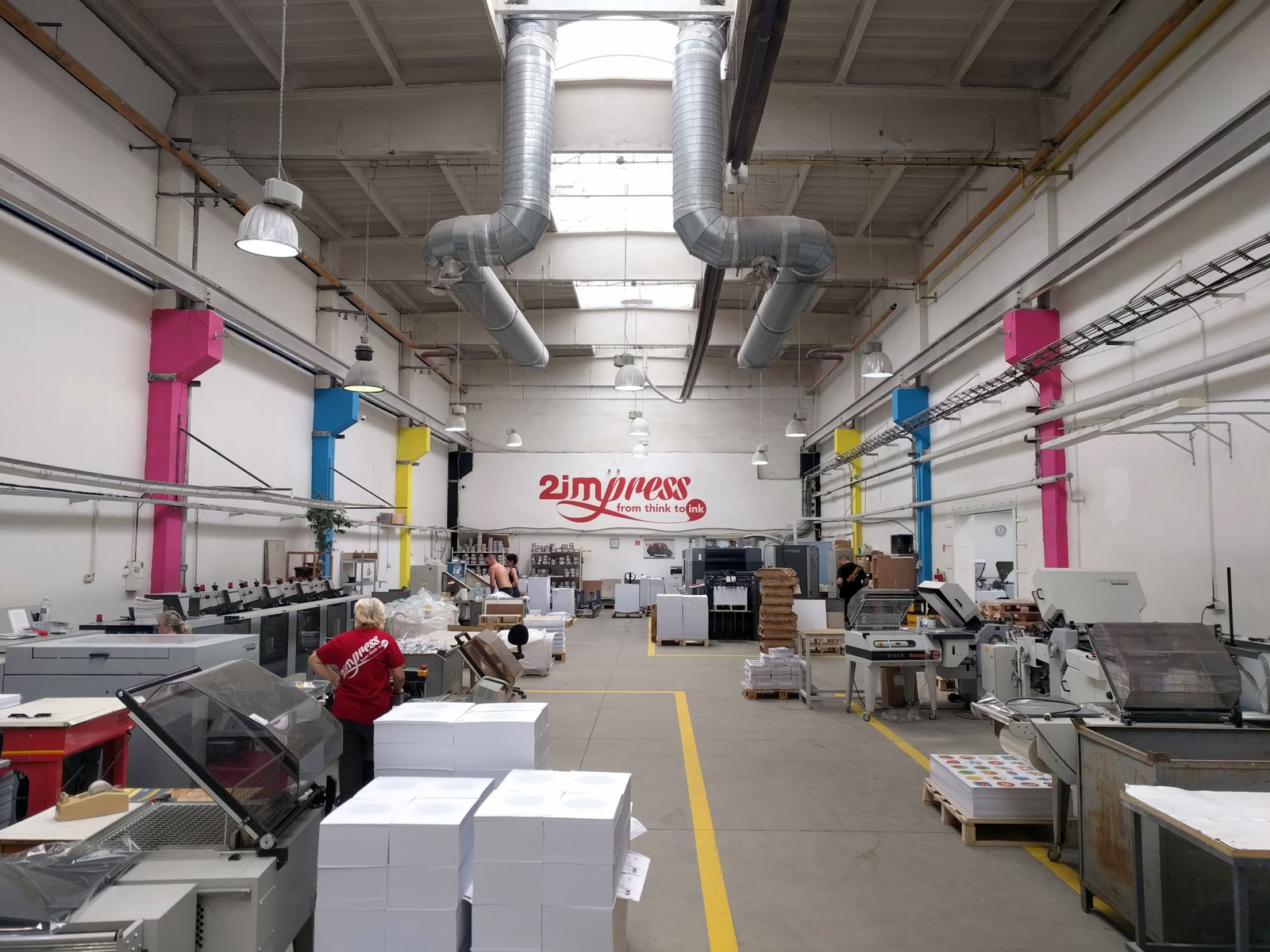
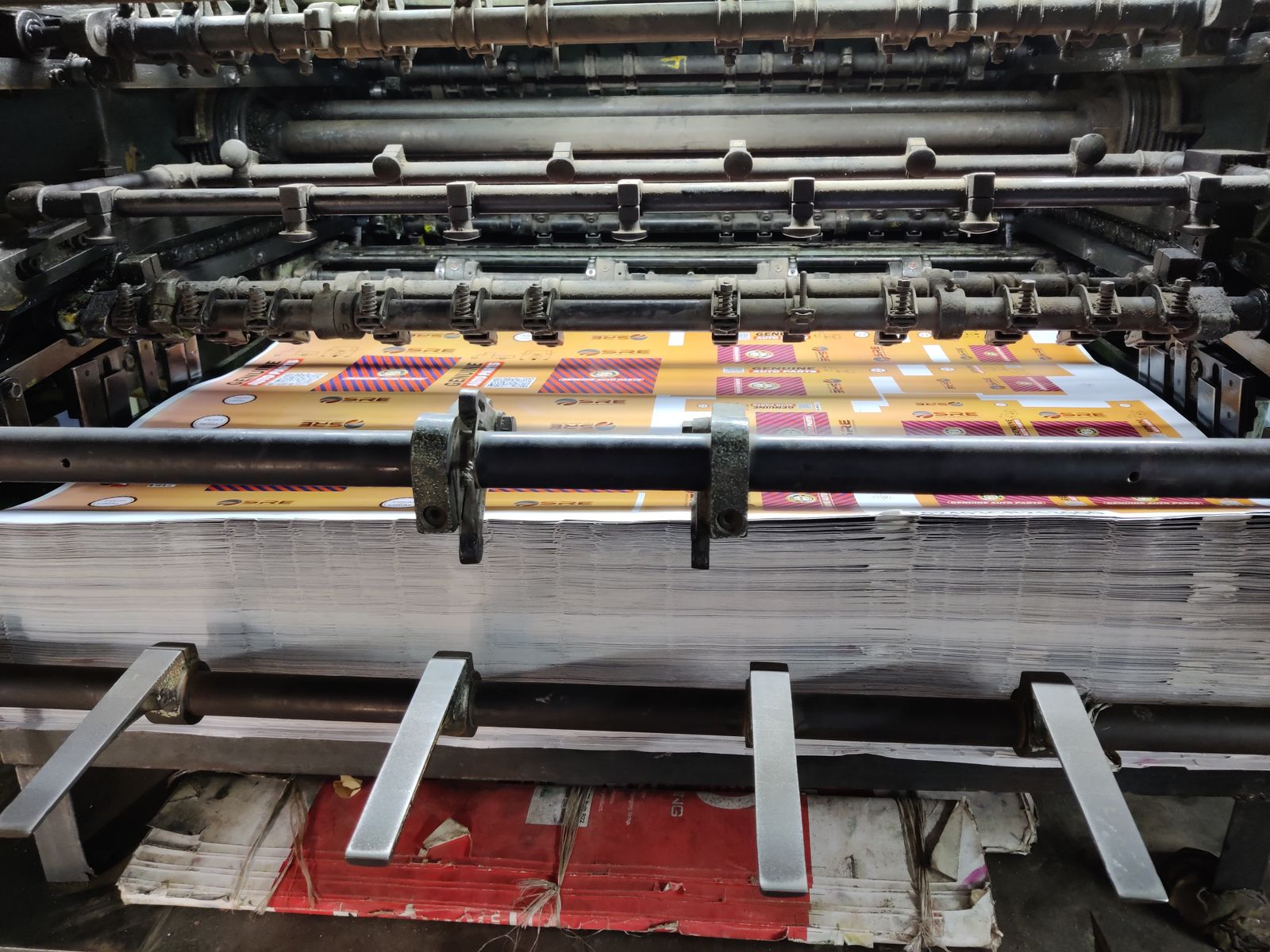
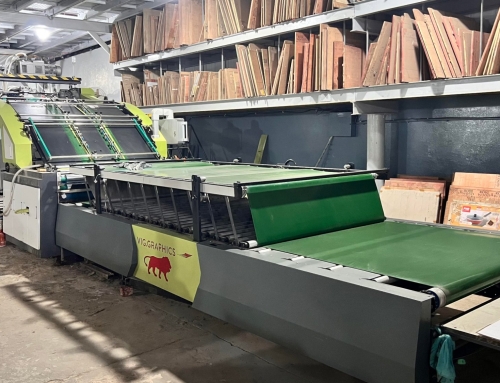
Every point about printed packaging brand experience on this page traces back to six steps on one floor at IMT Kharkhoda. Pre-press checks artwork and makes plates on the CTP unit. The Heidelberg four- or six-colour press prints a 28×40 inch sheet with aqueous or UV coating applied inline. Wet lamination bonds the printed sheet to corrugated board with water-based adhesive and no heat, so the board stays flat.
The flute laminator produces E, B or C flute board in 3-ply or 5-ply in parallel. Die-cutting shapes the blank and strips waste; the Robus folder-gluer closes retail cartons and a stitcher handles heavy export shippers. A sample from every lot goes to the lab for bursting, edge-crush and Cobb tests before the bundles are strapped and loaded.
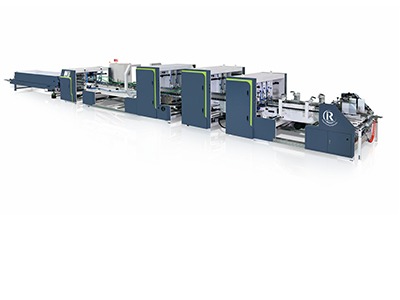
Because nothing leaves the building between printing and dispatch, a sheet printed Monday can ship Friday; that is why printed packaging brand experience discussions with us end in a 7–10 working-day lead time rather than three weeks. The machines are shown on our packaging factory infrastructure page.
Flute and board grade: the numbers behind printed packaging brand experience
Board choice is where most of the money in printed packaging brand experience is saved or wasted. E-flute (about 1.5 mm) gives a smooth printable face for retail cartons. B-flute (about 3 mm) adds crush resistance with a decent print surface. C-flute (about 4 mm) is the standard shipping flute. Five-ply BC or EB board carries 25–40 kg through transit. Paper grade matters as much as flute: a 180 GSM virgin kraft liner behaves very differently from a 120 GSM recycled one, and bursting strength roughly tracks liner weight.
The rule of thumb we give buyers asking about printed packaging brand experience: match the flute to the shelf, not the warehouse. If a shopper sees the box, start with E-flute and a printed duplex liner; if it only has to survive a truck, start with C-flute kraft and spend the saving on a heavier liner. Ask any supplier for the GSM of every layer and the bursting factor in writing; two quotes can only be compared on the same specification. Our corrugated box manufacturer page lists the standard grades.
Printing and finishing options relevant to printed packaging brand experience
Offset printing on Heidelberg presses reproduces photographs, fine type and brand colours accurately; four-colour process covers most artwork and the six-colour press adds a Pantone or metallic with inline coating. Flexographic printing in one or two colours directly on kraft is cheaper and right for plain shippers. For printed packaging brand experience, the print decision usually follows the shelf question: retail means offset, warehouse means flexo.
UV coating gives a hard gloss that resists scuffing. Wet lamination bonds the printed sheet to board with water-based adhesive and keeps it flat; we do not use thermal lamination. Spot UV, embossing and metallised film are available for premium ranges at a small premium. All finishing is done in the same building as printing, so printed packaging brand experience never involves a sheet travelling between vendors.
Artwork and dieline checklist for printed packaging brand experience
Send the logo as a vector (AI, EPS, PDF, SVG), Pantone references or a printed item to match, and photographs at 300 dpi at printed size. Keep text at least 6 pt and 5 mm from folds and cut lines, because die-cutting tolerance is about 1.5 mm. Supply barcodes as vectors with the number beside them and name the panel they sit on. For the dieline, give internal product dimensions in millimetres, weight and how the box should open.
You receive a proof PDF with bleed and safe areas marked; approve by email or WhatsApp and the printed sample follows within four working days. Most brands that follow this checklist reach an approved printed packaging brand experience sample in under a week. The box size calculator produces the dimensions in a minute.
Testing and certificates behind printed packaging brand experience
Every lot is tested for bursting strength (kg/cm²), edge crush (stacking strength) and Cobb value (water absorption), with the report attached to the invoice and kept three years under ISO 9001:2015. Box compression and drop tests with the real product are added when a buyer needs them. Two cartons that look identical can differ by 30% in bursting strength if one uses a lighter medium, which is why printed packaging brand experience should be judged by a test, not by appearance.
Compliance printing is routine: FSSAI panels for food-contact outer cartons, BIS marks for pressure cookers and appliances, ISPM-15 and export shipping marks where a forwarder requires them. We are MSME and Udyog Aadhaar registered, and board standards follow the Federation of Corrugated Box Manufacturers of India.
Pricing, MOQ and payment for printed packaging brand experience
Price is built from board (55–65%), printing, conversion and delivery. Quantity per lot and board grade move it most: a 5,000-box lot is noticeably cheaper per box than 1,000, and moving from a 120 GSM to a 180 GSM liner adds roughly 15–20% to the board line. Minimum order is 1,000 boxes per SKU and mixed-SKU orders can share a slot. A trader selling printed packaging brand experience made in three places is typically 20–30% above a factory price for the same specification.
New accounts pay 50% advance and 50% before dispatch; established accounts move to 30-day credit after three clean lots. Quotes are valid 30 days and revised only when paper prices move more than 5%, flagged in advance. Common questions are answered in the packaging FAQ.
Delivery across Delhi NCR and India for printed packaging brand experience
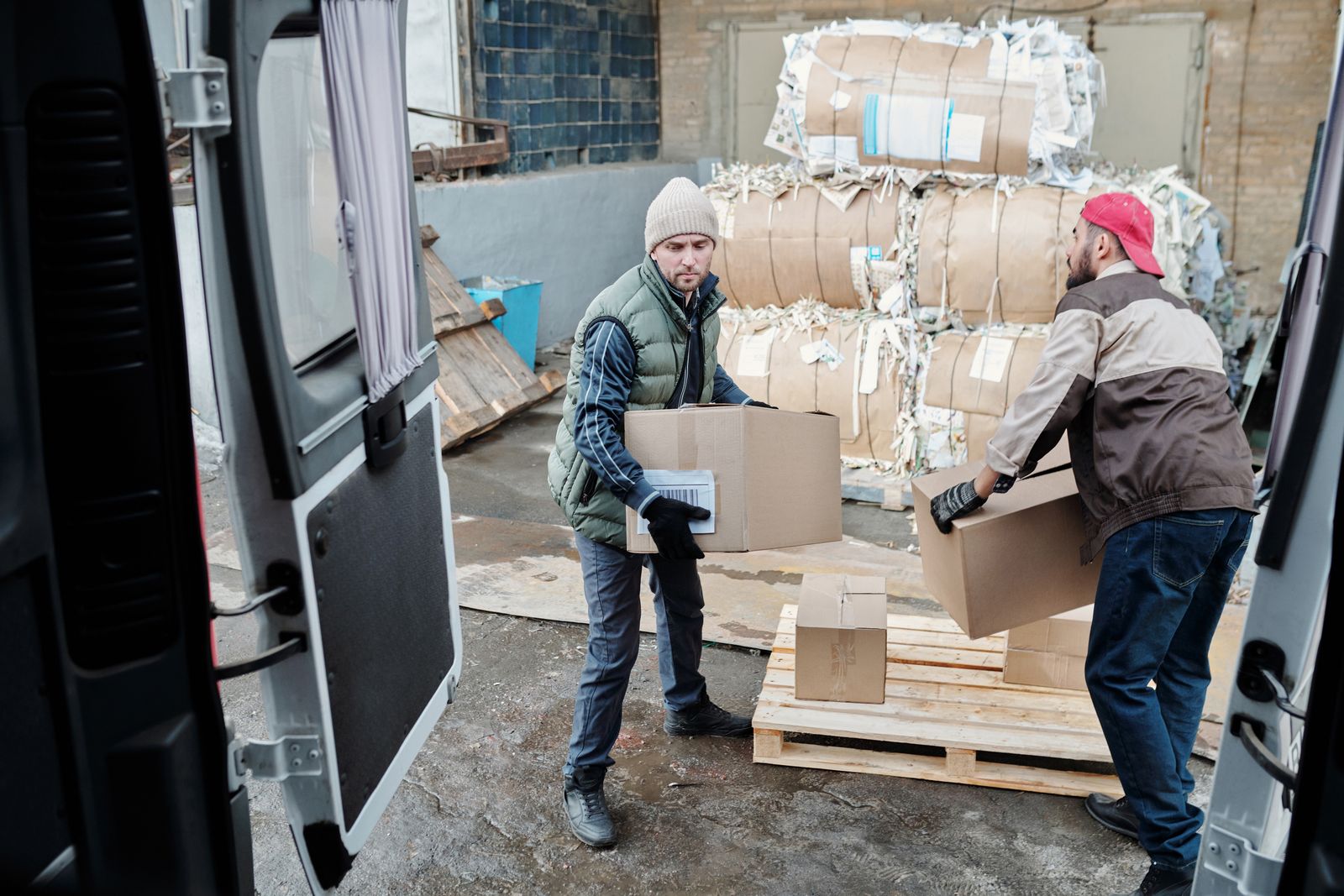
Our own vehicles deliver on fixed days to Bawana, Narela, Kundli, Badli, Wazirpur, Okhla, Gurugram, Manesar, Faridabad, Noida and Greater Noida, which lets a brand run on a week of carton stock rather than a month. Elsewhere in India, cartons ship flat on pallets by part-load transporter in two to four days with a test carton sent ahead. White sample in 48 hours, printed sample in four working days, bulk in 7–10 working days, repeats in 7: that is the printed packaging brand experience timeline we commit to.
Brands already on this schedule are listed on the packaging clients page and the boxes themselves in the packaging gallery.
Sustainability notes on printed packaging brand experience
Corrugated board is among the most recycled materials in India. Our liners blend recycled fibre with virgin kraft, and a mill declaration of recycled content is available for sustainability reports. Water-based adhesives and wet lamination mean no solvent emissions; die-cutting offcuts are baled and returned to the mill. Brands with a plastic-reduction target can apply this to printed packaging brand experience by replacing EPE foam inserts with die-cut corrugated inserts. Ask for a mono-material sample and we show both options side by side.
Printed packaging brand experience: frequently asked questions
Minimum order? 1,000 boxes per SKU. Sample time? White in 48 hours, printed in four working days. Bulk lead time? 7–10 working days; repeats 7. Where do you deliver? Own fleet across Delhi NCR, transporter across India. Can you design the box? Yes, pre-press prepares dielines and adapts artwork. Certified? ISO 9001:2015, MSME, Udyog Aadhaar. For anything about printed packaging brand experience not covered here, WhatsApp 98107 42123. Factory visits at IMT Kharkhoda are welcome any working day.
Glossary for printed packaging brand experience
Flute: the wavy inner layer of corrugated board; E, B and C are the common profiles. Liner: the flat paper on each face. Medium: the paper that is fluted. GSM: grams per square metre, the weight of a paper layer. Bursting factor: a strength figure for the finished board. ECT: edge crush test, a stacking-strength measure. Cobb: water absorption in a fixed time. Duplex: coated white board used as a printed top liner. Dieline: the flat drawing of a box with cuts and folds.
RSC: regular slotted carton, the standard shipper. Crash-lock: a base that locks when the carton is opened. Mailer: a one-piece e-commerce box with a tuck-in lid. Master carton: an outer box holding several retail units. Wet lamination: bonding a printed sheet to board with water-based adhesive. CTP: computer-to-plate. Knowing these makes any printed packaging brand experience quote easy to read.
Comparing two quotes fairly when printed packaging brand experience is involved
Put both quotes on the same specification before you look at price. Ask each supplier for flute profile, the GSM of every layer, the bursting factor, print process and colour count, finish, insert type and whether delivery is included. If one quote lacks any of these, it cannot be compared. Then ask where each process happens; if printing, lamination or corrugation is sub-contracted, add that vendor’s margin and transit time.
Next, compare sampling terms: a supplier that charges for the first printed sample or takes two weeks to produce it is signalling how repeats will go. Finally compare paperwork: a per-lot test report and a signed colour sample should be standard. Brands who run this exercise on printed packaging brand experience usually find a trader quote 20–30% above a factory quote for the identical box.
See printed packaging brand experience on the factory floor: planning a visit
Visits to IMT Kharkhoda are welcome any working day; the plant is 12 km from Bawana, 9 km from Kundli and a direct expressway run from Manesar, Faridabad and Noida. Bring your current box and a product sample. In two hours you can see pre-press and the stored colour samples, watch a sheet come off the Heidelberg press, compare a laminated and a metallised sheet, note the flute types in stock, fold a box from the die-cutter and watch a bursting test on a live lot.
We size, test and quote your printed packaging brand experience requirement on the spot and send the written quote the same day. WhatsApp 98107 42123 with a preferred date so the relevant samples and reports are ready. If a visit is not practical, the same walk-through can be done on a video call with the sample couriered afterwards.
Common mistakes in printed packaging brand experience and how to avoid them
Approving a dieline from a drawing rather than a 48-hour white sample; choosing board by price alone; sending JPEG logos that print soft; forgetting the barcode panel until the proof stage; placing text within 5 mm of a fold; and ordering a retail carton without its master carton so the two never fit. Each appears here because a real brand made it once, and our pre-press team checks for all of them before a proof goes out.
The final mistake in printed packaging brand experience is comparing a factory quote to a trader quote without asking where each process is done. Ask for the GSM, the bursting factor and the process location in writing, and the comparison becomes simple.
Leave A Comment