
Packaging FAQ
Bulk packaging questions, answered.
This packaging FAQ answers the questions bulk buyers ask us most. Everything buyers ask us before placing their first order – MOQ, pricing, printing, samples, delivery areas and billing. Can’t find your question? WhatsApp us and we reply the same day.
Packaging FAQ: the 7 questions every buyer asks first
This packaging FAQ collects the questions brands ask Packsmith India before their first order of printed boxes or corrugated cartons: minimum quantity, lead time, board grades, printing, pricing and delivery. The short answers are in the toggles above; the packaging FAQ sections below go deeper so you can brief your team without a call. Every answer in this packaging FAQ reflects how our factory at IMT Kharkhoda actually works, with a 1,000-box MOQ and 7–10 working-day bulk delivery.
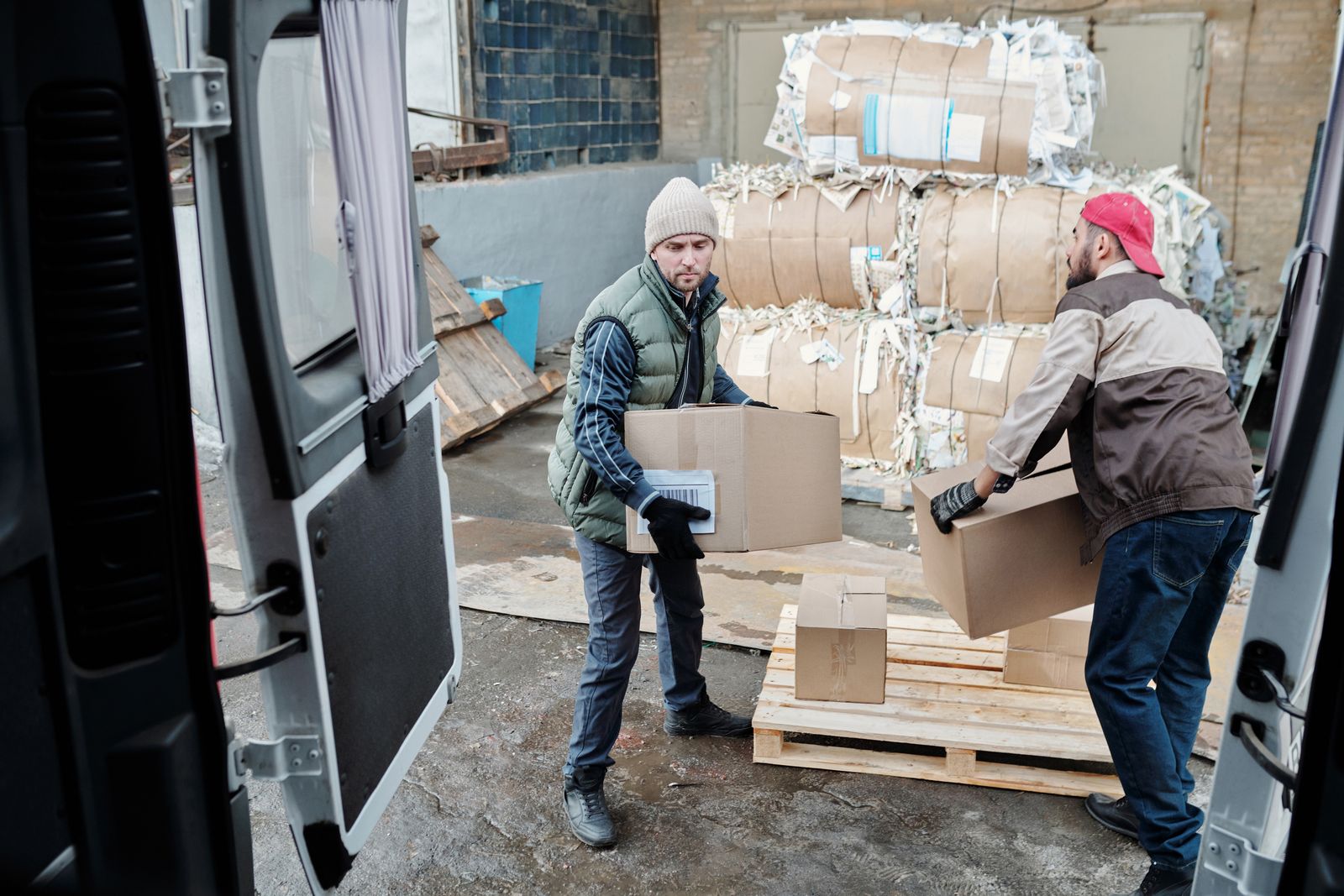
Packaging FAQ on minimums and pricing
The minimum is 1,000 boxes per SKU, and mixed-SKU orders can share a production slot. Price is built from board (55–65%), printing, conversion and delivery; quantity per lot and board grade move it most. We quote the GSM of every layer and the bursting factor in writing so two quotes can be compared on the same specification. Delivered pricing within Delhi NCR is standard. For product-specific numbers see our corrugated box manufacturer page.
Packaging FAQ on lead time and samples
A white sample is ready in 48 hours and a printed sample in four working days. Bulk lots take 7–10 working days after sample approval, and repeats ship in 7 because plates and the approved colour sample are stored. All processes run under one roof, described on the packaging factory infrastructure page, which is why the packaging FAQ answer on lead time does not change with the season.
Packaging FAQ on who we work with
Cookware, appliance, retail, pharma and institutional brands; the packaging clients page lists them and the packaging gallery shows the boxes. If your question is not in this packaging FAQ, WhatsApp 98107 42123 and a specialist replies within working hours.
Packaging FAQ: which flute and board grade do I need?
E-flute (about 1.5 mm) gives a smooth printable face for retail cartons such as cookware and small appliances. B-flute (about 3 mm) adds crush resistance with a decent print surface. C-flute (about 4 mm) is the standard shipping flute. Five-ply BC or EB board carries 25–40 kg through transit. Paper grade matters as much as flute: a 180 GSM virgin kraft liner is much stronger than a 120 GSM recycled one. The packaging FAQ rule of thumb is to match the flute to the shelf, not the warehouse, and spend any saving on a heavier liner.
Ask any supplier for the GSM of each layer and the bursting factor on the quote. Our lab tests every incoming paper lot and every finished board, so the figures quoted are the figures delivered.
Packaging FAQ: offset or flexo printing, and which finish?
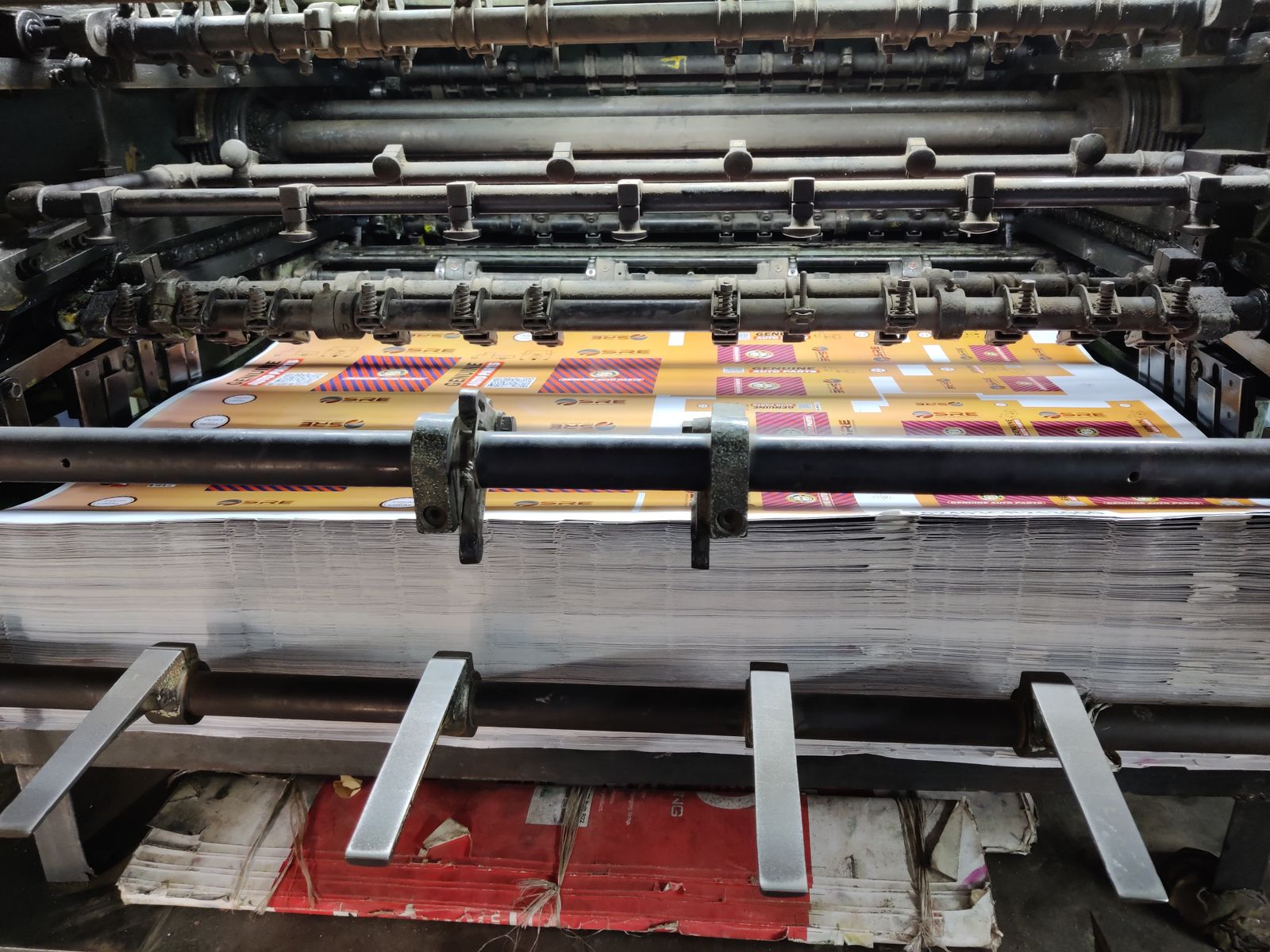
Offset printing on our Heidelberg presses reproduces photographs, fine type and brand colours accurately on a 28×40 sheet; four-colour process covers most artwork and the six-colour press adds Pantone or metallic inks with inline coating. Flexographic printing in one or two colours directly on kraft is cheaper and right for plain shippers with a logo and handling marks.
UV coating gives a hard gloss that resists scuffing. Wet lamination bonds the printed sheet to the board with water-based adhesive and keeps it flat; we do not use thermal lamination. Spot UV, embossing and metallised film are available for premium ranges. This packaging FAQ answer applies to every box we make because all finishing happens in the same building as printing.
Packaging FAQ: how do I send artwork and a dieline?
Send the logo as a vector (AI, EPS, PDF, SVG), Pantone references or a printed item to match, and photographs at 300 dpi at printed size. Keep text at least 6 pt and 5 mm from folds and cut lines. Supply barcodes as vectors with the number beside them. For the dieline, give internal product dimensions, weight and how the box should open; if you have an existing dieline, we check it against the physical product.
You receive a proof PDF with bleed and safe areas marked; approve by email or WhatsApp and the printed sample follows within four working days. Most brands following this packaging FAQ checklist reach an approved sample in under a week.
Packaging FAQ: what tests and certificates do you provide?
Every lot is tested in our lab for bursting strength, edge crush and Cobb (water absorption), with the report attached to the invoice. Box compression and drop tests with the real product are added when a buyer needs them. We are ISO 9001:2015 certified and MSME and Udyog Aadhaar registered; test records are kept for three years for client audits.
Compliance printing is routine: FSSAI panels for food-contact outer cartons, BIS marks for pressure cookers and appliances, and ISPM-15 or export shipping marks where a forwarder needs them. If your buyer has a marking sheet, send it with the enquiry and it is reproduced on the proof. The Federation of Corrugated Box Manufacturers of India publishes the board standards this packaging FAQ refers to.
Packaging FAQ: delivery, payment and repeat orders
Within Delhi NCR — Bawana, Narela, Kundli, Badli, Wazirpur, Okhla, Gurugram, Manesar, Faridabad, Noida and Greater Noida — our own vehicles deliver on fixed days. Elsewhere in India, cartons ship flat on pallets by part-load transporter in two to four days with a test carton sent ahead. New accounts pay 50% advance and 50% before dispatch; established accounts move to 30-day credit after three clean lots.
Repeat orders skip sampling and run from stored plates and the signed colour sample, so a second lot ships in 7 working days. Quotes are valid 30 days and are revised only when paper prices move more than 5%, which we flag in advance. If this packaging FAQ has not covered your situation, the contact page has a form and a map.
Packaging FAQ: sustainability and plastic-free inserts
Corrugated board is among the most recycled materials in India. Our liners blend recycled fibre with virgin kraft, and a mill declaration of recycled content is available for sustainability reports. Water-based adhesives and wet lamination mean no solvent emissions; die-cutting offcuts are baled and returned to the mill.
Brands with a plastic-reduction target can replace EPE foam inserts with die-cut corrugated inserts in most cookware and appliance cartons, making the whole pack a single recyclable material at a small increase in board cost. Ask for a mono-material sample when you send your product and we will show both options side by side; several brands in this packaging FAQ’s reader base have already switched.
Packaging FAQ: what happens inside the factory, step by step
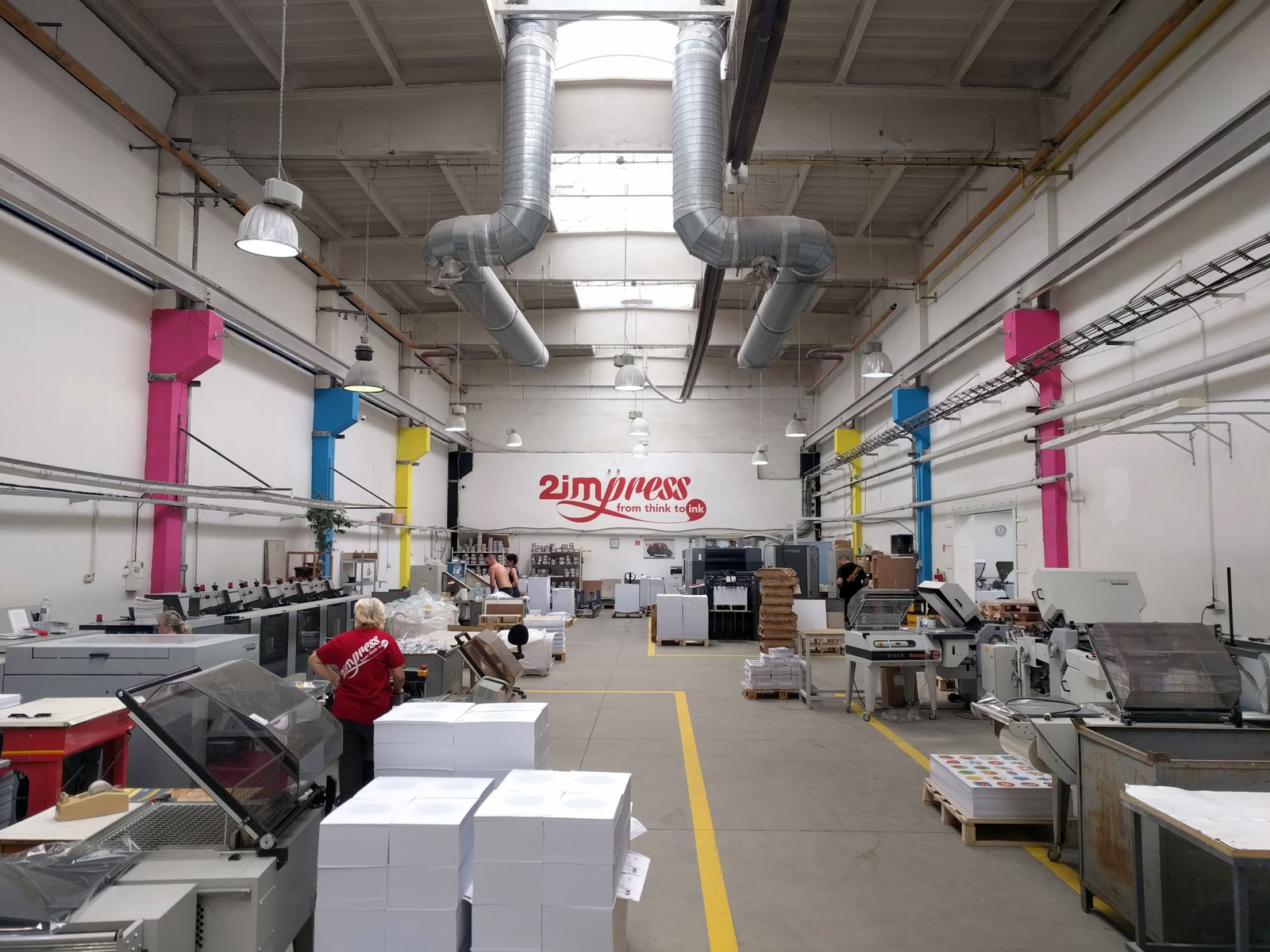
Pre-press first: artwork is checked, the dieline is overlaid and plates are made on the CTP unit. Printing follows on the Heidelberg four-colour or six-colour press, with aqueous or UV coating applied inline where the job needs it. The printed sheet then goes to wet lamination, where it is bonded to corrugated board with water-based adhesive and left flat to cure.
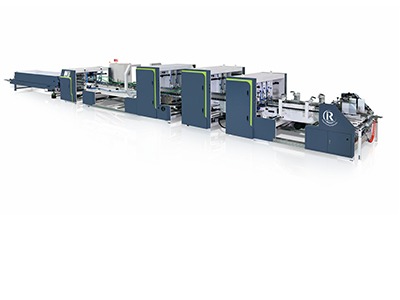
Corrugation runs in parallel on the flute laminator, producing E, B or C flute board in 3-ply or 5-ply. The laminated sheet is die-cut to the shape of the box, stripped of waste, and passed to the Robus folder-gluer or to stitching for heavy export cartons. A sample from each lot goes to the lab for bursting, edge-crush and Cobb tests, and the finished bundles are strapped, labelled by SKU and loaded on our own vehicles.
Because every step is on one floor, a sheet printed on Monday can be laminated Tuesday, flute-pasted Wednesday, die-cut Thursday and dispatched Friday. That is the physical reason behind the packaging FAQ answer of 7–10 working days, and why the figure holds in peak season when sub-contracted chains stretch to three weeks.
Packaging FAQ: how do I compare two quotes fairly?
Put both quotes on the same specification before you look at price. Ask each supplier for the flute profile, the GSM of every layer, the bursting factor, the print process and colour count, the finish, the insert type and whether delivery is included. If one quote lacks any of these, it cannot be compared. Then ask where each process happens; if printing, lamination or corrugation is sub-contracted, add that vendor’s margin and transit time to the comparison.
Next, compare the sampling terms. A supplier that charges for the first printed sample or takes two weeks to produce it is signalling how repeat orders will go. Finally compare the paperwork: a per-lot test report and a signed colour sample are standard in our packaging FAQ and should be standard anywhere. Brands who run this exercise usually find a trader quote 20–30% above a factory quote for the identical box, with a longer lead time.
Packaging FAQ: common mistakes on a first box order
The most expensive mistake in this packaging FAQ is approving a dieline from a drawing rather than a sample. Dimensions that look right on screen leave a product rattling or a lid that will not close; a 48-hour white sample costs nothing and catches this. The second mistake is choosing board by price alone; a lighter medium saves 4% on the box and can triple damage claims in transit. The third is sending JPEG logos, which print soft at carton size; vector files fix this in one step.
Other avoidable errors: forgetting the barcode panel until the proof stage, printing a Pantone that was never matched to a physical sample, placing text within 5 mm of a fold, and ordering a retail carton without its master carton so the two never fit. Each of these appears in our packaging FAQ because a real brand made it once; our pre-press team checks for all of them before the proof goes out.
The final mistake is comparing a factory quote to a trader quote without asking where each process is done. The packaging FAQ answer is always the same: ask for the GSM, the bursting factor and the process location in writing, and the comparison becomes simple.
Packaging FAQ: how to prepare for a factory visit
Visits to IMT Kharkhoda are welcome on any working day; the plant is 12 km from Bawana, 9 km from Kundli and a direct expressway run from Manesar, Faridabad and Noida. Bring your current box and a product sample. In two hours you can see pre-press and the stored colour samples, watch a sheet come off the Heidelberg press, compare a laminated and a metallised sheet, note the flute types in stock, fold a box from the die-cutter and watch a bursting test on a live lot.
We will size, test and quote your product on the spot and send the written quote the same day. WhatsApp 98107 42123 with a preferred date so the relevant samples and reports are ready. If a visit is not practical, the same packaging FAQ walk-through can be done on a video call with the sample couriered to you afterwards.