
Corrugated box manufacturing process — a practical guide from Packsmith India, a corrugated and printed box factory at IMT Kharkhoda, Delhi NCR. It walks through every stage a carton passes on our floor.
A corrugated box starts as rolls of kraft paper and leaves the factory as a printed, die-cut, glued carton – usually within ten working days. This is the step-by-step corrugated box manufacturing process as it runs at Packsmith India near IMT Kharkhoda, Sonipat, written for buyers who want to understand what they are paying for and where quality is won or lost.
Corrugated box manufacturing process: the essentials
Step 1: Paper selection (the strength is decided here)
Every corrugated sheet is built from two kinds of paper: liners (the flat outer and inner faces) and fluting medium (the wavy middle). Paper is bought by GSM (grams per square metre) and BF (bursting factor). A 5-ply box for a 15 kg appliance might use 180 GSM / 22 BF kraft liners with 120 GSM medium; a light FMCG outer may use 120 GSM / 18 BF. Choosing the right combination for the product weight and transport route is the single biggest quality decision – more important than ply alone.
Step 2: Corrugation – forming the flute
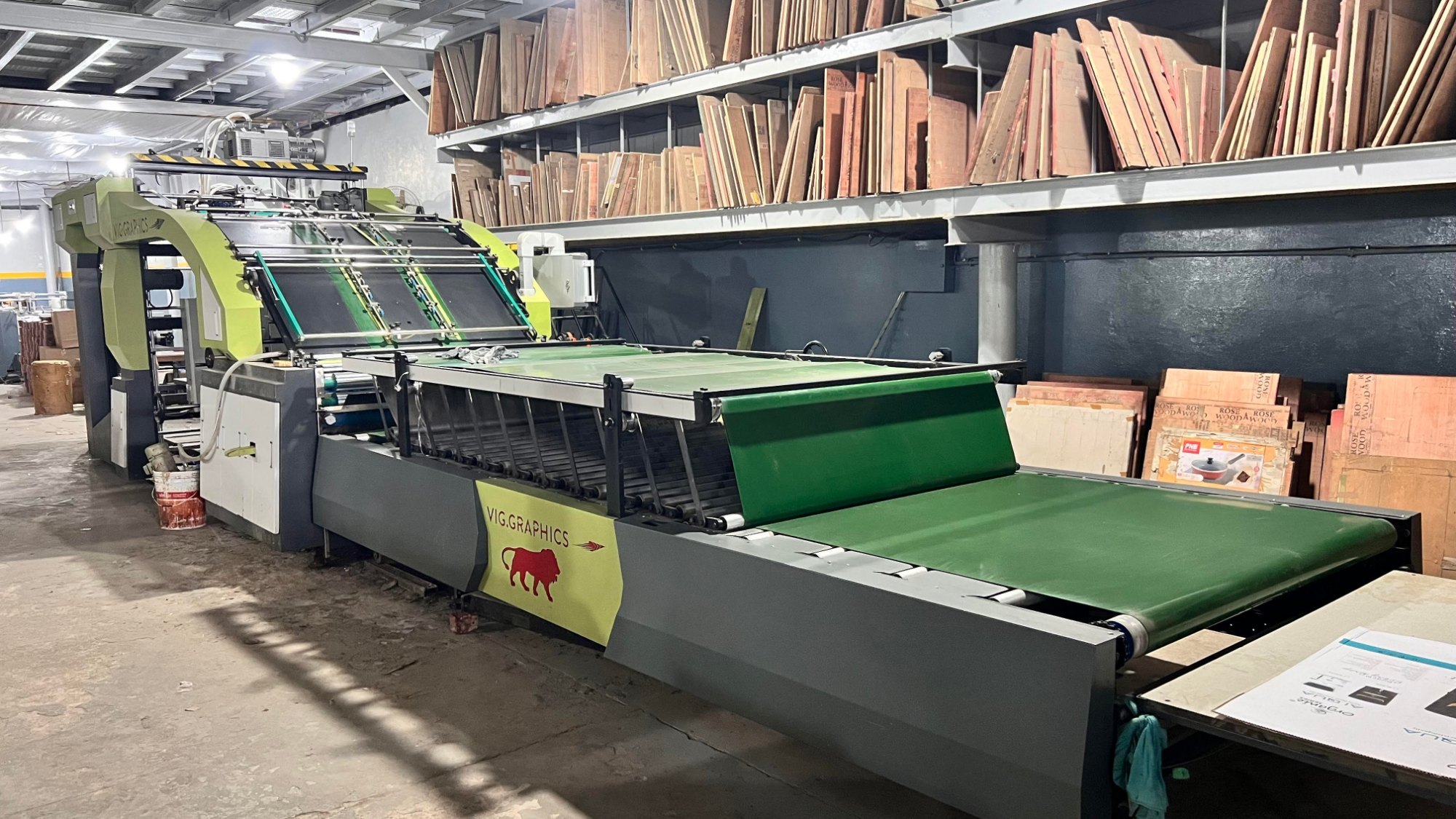
The medium is steam-heated and passed between fluted rollers that press it into waves (B flute ≈ 3 mm, C flute ≈ 4 mm, E flute ≈ 1.5 mm). Starch adhesive is applied to the flute tips and the first liner is bonded on, producing single-face board. For 5-ply, two single-face webs are combined with a centre liner; for 7-ply, three. The board then passes over a heated double-backer to cure the glue, and is slit and cut into sheets of the required size.
Step 3: Printing
There are two routes, and the product decides which:
- Flexo printing directly on the kraft liner – one to three colours, fast and economical. Used for shippers, master cartons and industrial boxes.
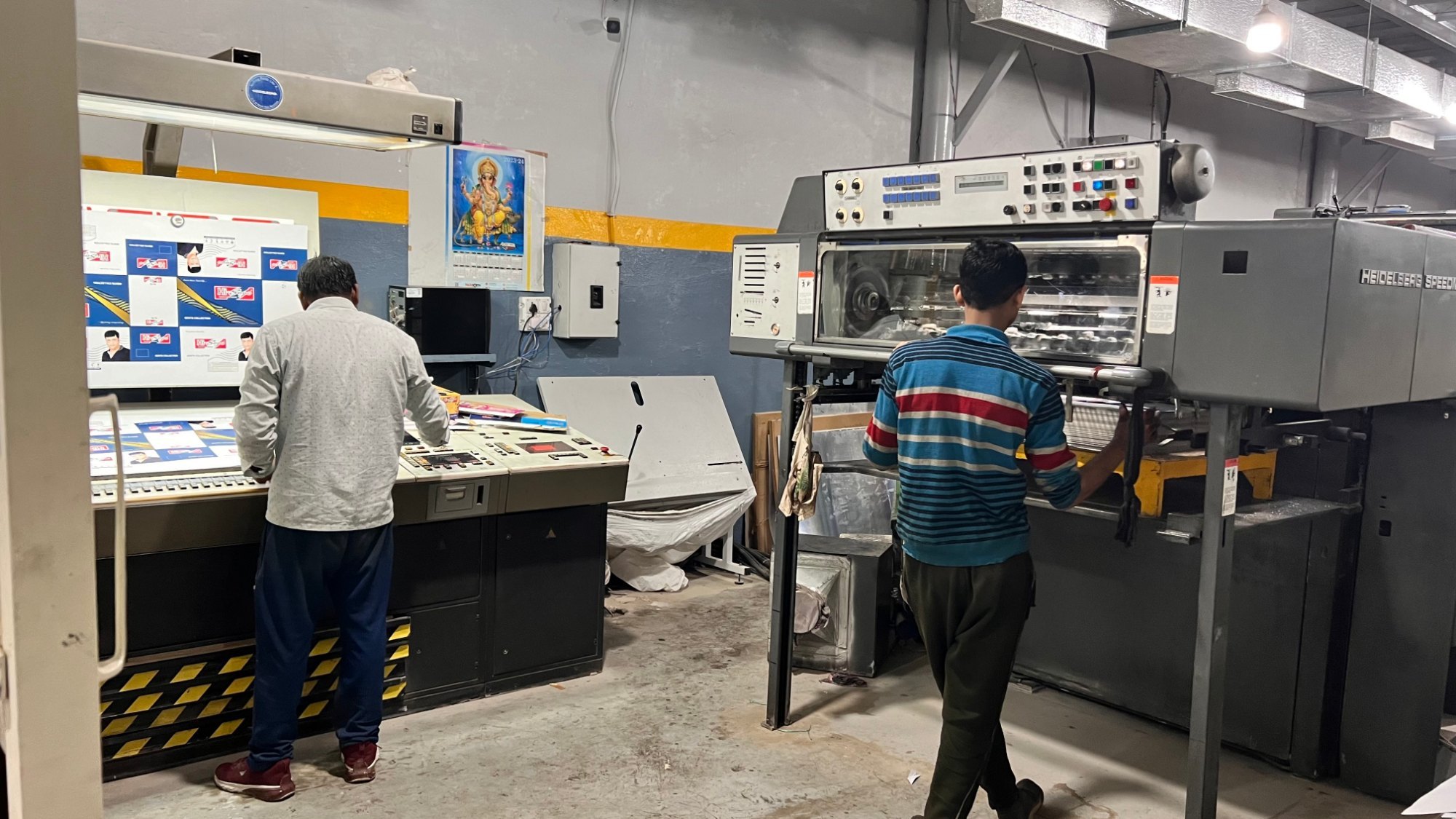
- Offset printing + flute lamination – a four-colour sheet is printed on duplex or art board on an offset press, laminated (gloss/matte) and then bonded to the corrugated board. This gives photographic quality for appliance, cookware and retail cartons.
Step 4: Die-cutting and creasing
A steel-rule die – a wooden board with sharp cutting rules and blunt creasing rules bent to the box dieline – is mounted on a die-cutting machine. Each sheet is cut to the exact blank shape, with hand-holes, locks and windows, and creased where the panels will fold. Rotary die-cutters handle large-run RSC shippers; flatbed die-cutters handle printed cartons and intricate inserts.
Step 5: Folding and gluing (or stitching)
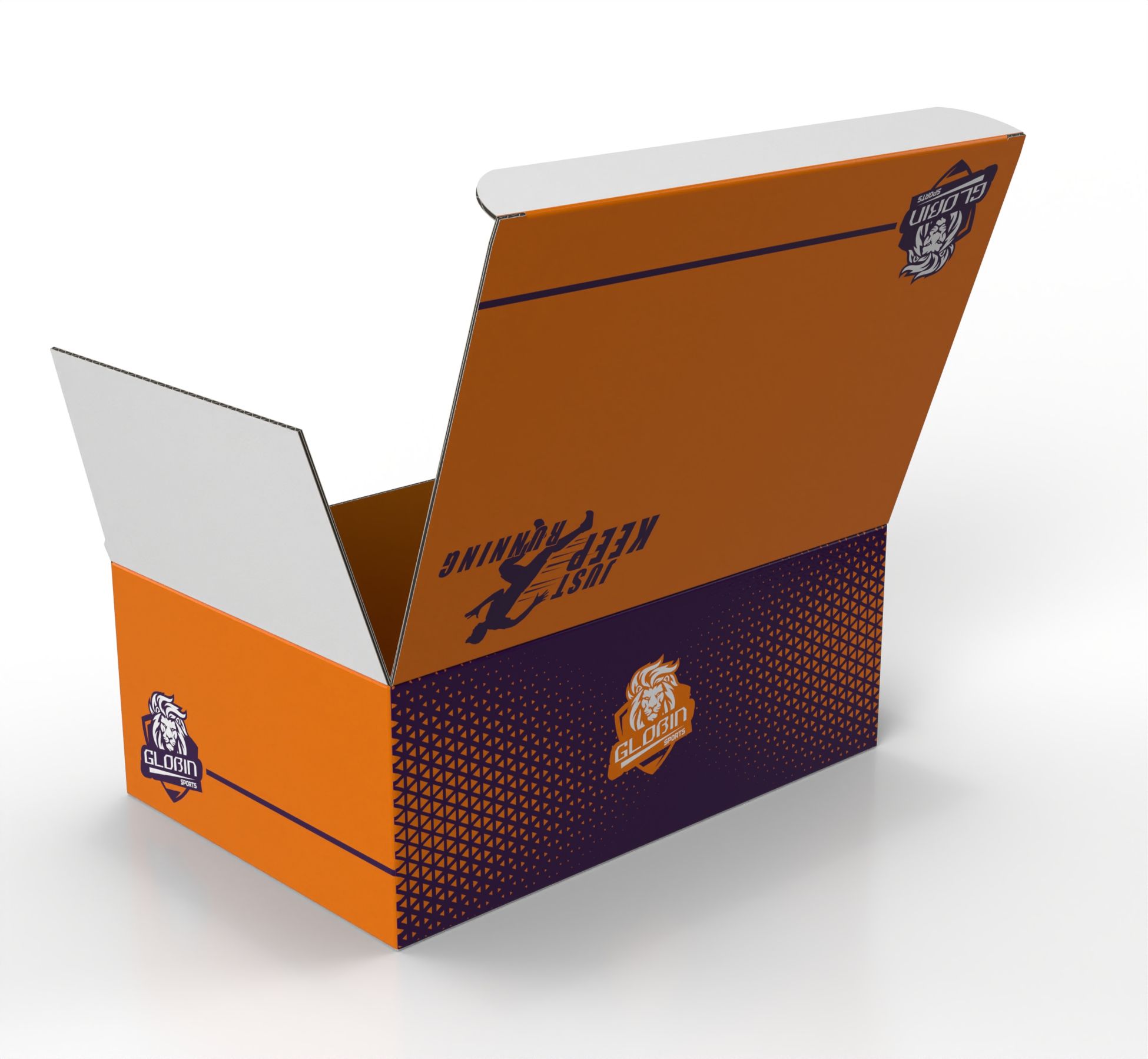
The blank is folded on a folder-gluer, the manufacturer’s joint is glued with hot-melt or PVA, and the box is pressed flat and counted into bundles. Heavy-duty 7-ply boxes may be stitched with wire instead of glued. Inserts, partitions and pads are made separately on the same die-cutting line and packed with the cartons as a kit.
Step 6: Testing and dispatch
Before dispatch each lot is checked for bursting strength (Mullen test), GSM, moisture (ideally 7–9%) and, for stacking loads, box compression. Print is checked against the approved proof and the first box of every size is assembled and measured. Bundles are strapped, palletised when required and delivered on our own vehicles across Delhi NCR.
How long does each stage take?
| Stage | Typical time | What the buyer does |
|---|---|---|
| Size and structure | 1 day | Shares product dimensions/weight; approves plain sample |
| Artwork and proof | 2–3 days | Approves printed proof |
| Plates and die | 2 days | – |
| Board, printing, die-cutting, gluing | 3–4 days | – |
| Testing and dispatch | 1 day | Receives test values with the challan |
Repeat orders skip the first three rows, which is why re-runs ship in 3–5 days.
What to ask any corrugated box manufacturer
- Liner GSM and BF, flute type and ply – in writing, on the quotation.
- Whether printing is flexo or offset-laminated, and the lamination type.
- Lot testing: bursting strength and compression values per delivery.
- Sample policy: plain structural sample and printed proof before bulk.
- Lead time for first run and for repeats; where the dies and plates are stored.
Want to see the process on your own product?
Get a quote on WhatsApp → · Try the box calculator
Related: 3-ply vs 5-ply vs 7-ply · How box prices are calculated · Offset vs flexo printing
How the factory floor shapes corrugated box manufacturing process
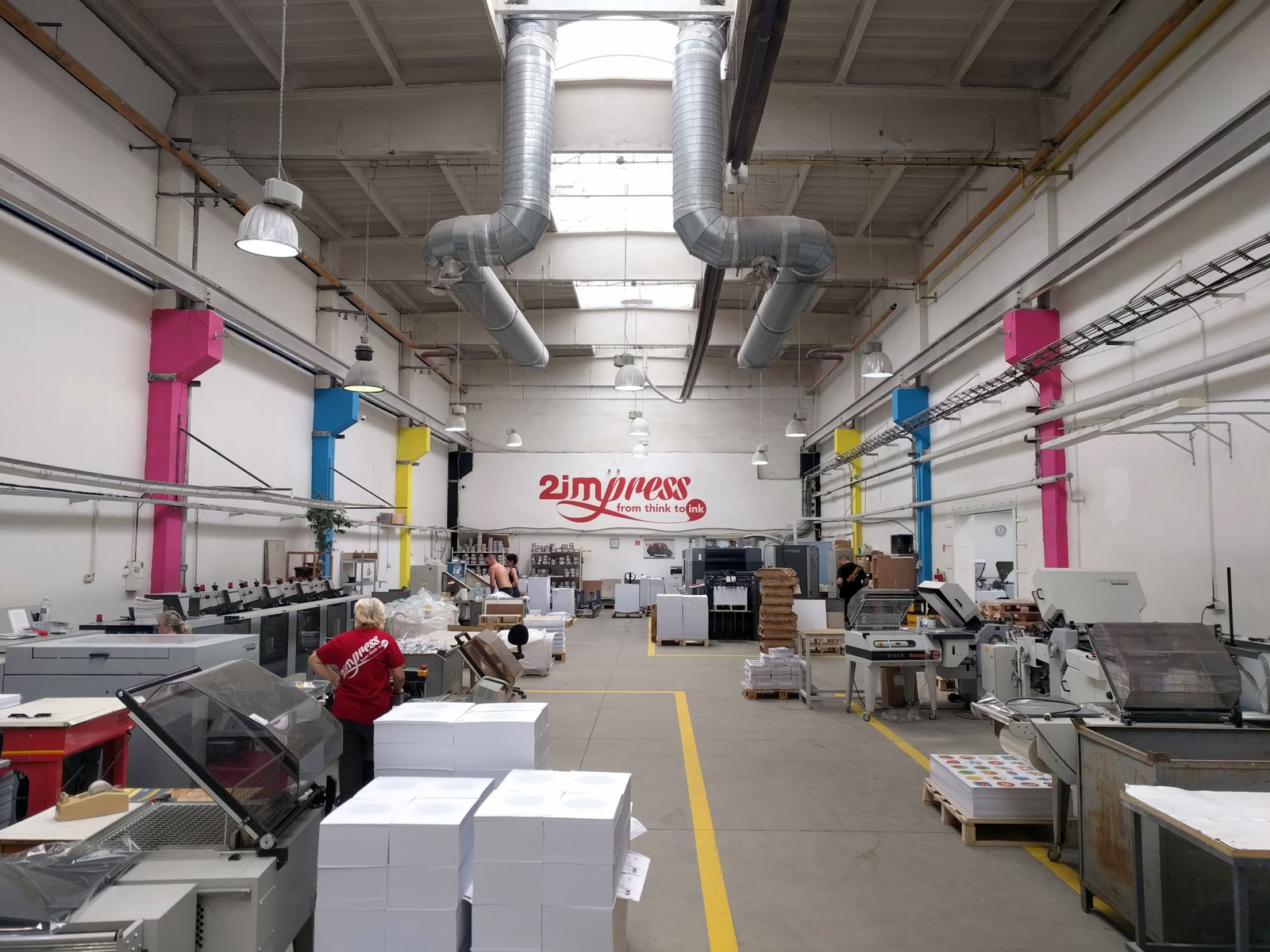
Every point about corrugated box manufacturing process on this page traces back to six steps on one floor at IMT Kharkhoda. Pre-press checks artwork and makes plates on the CTP unit. The Heidelberg four- or six-colour press prints a 28×40 inch sheet with aqueous or UV coating applied inline. Wet lamination bonds the printed sheet to corrugated board with water-based adhesive and no heat, so the board stays flat.
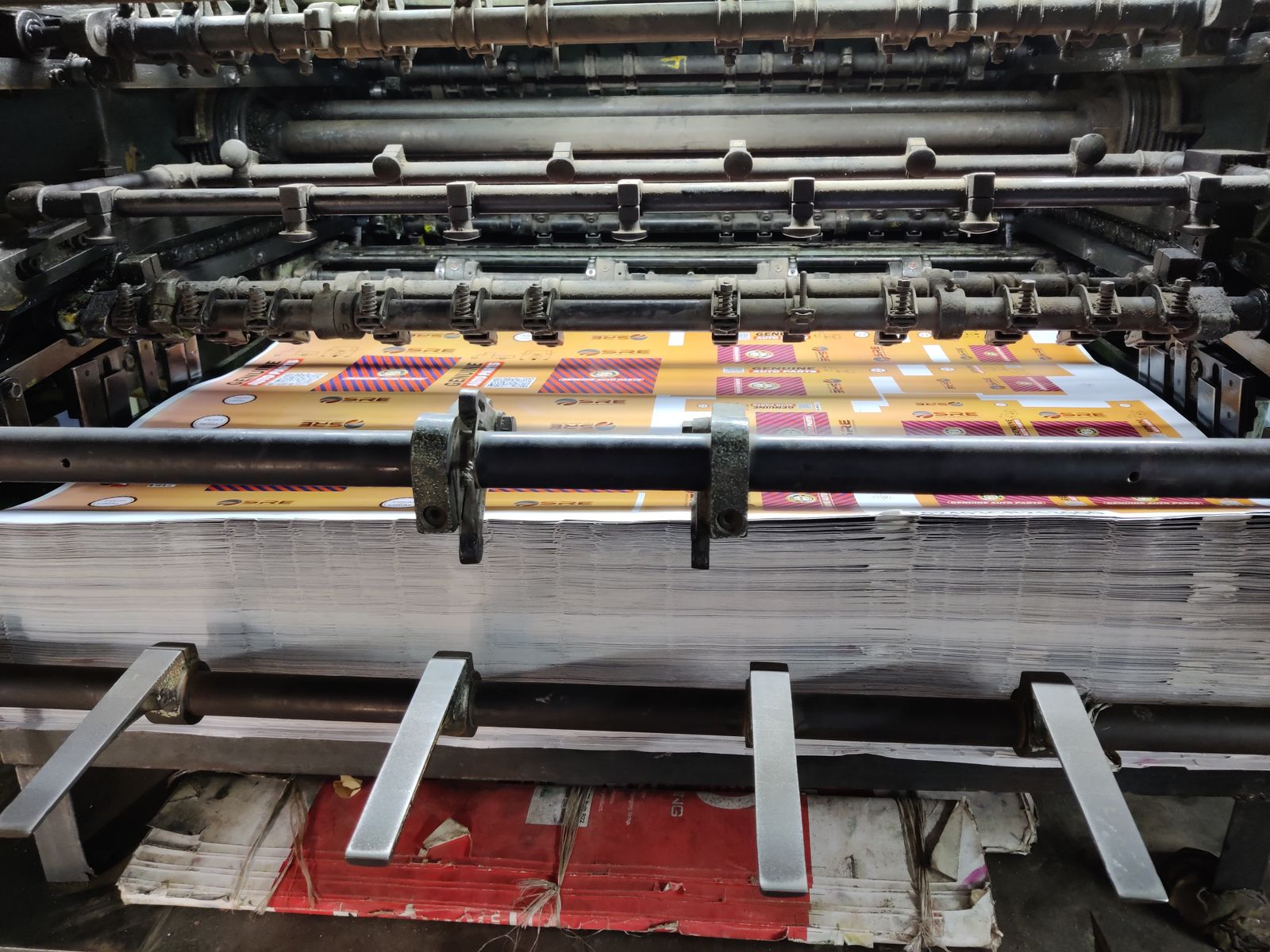
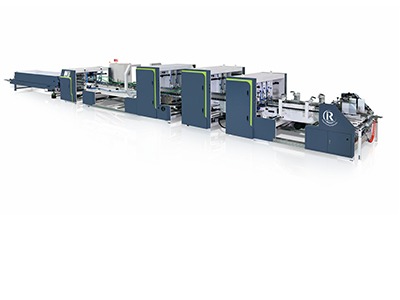
The flute laminator produces E, B or C flute board in 3-ply or 5-ply in parallel. Die-cutting shapes the blank and strips waste; the Robus folder-gluer closes retail cartons and a stitcher handles heavy export shippers. A sample from every lot goes to the lab for bursting, edge-crush and Cobb tests before the bundles are strapped and loaded.
Because nothing leaves the building between printing and dispatch, a sheet printed Monday can ship Friday; that is why corrugated box manufacturing process discussions with us end in a 7–10 working-day lead time rather than three weeks. The machines are shown on our packaging factory infrastructure page.
Flute and board grade: the numbers behind corrugated box manufacturing process
Board choice is where most of the money in corrugated box manufacturing process is saved or wasted. E-flute (about 1.5 mm) gives a smooth printable face for retail cartons. B-flute (about 3 mm) adds crush resistance with a decent print surface. C-flute (about 4 mm) is the standard shipping flute. Five-ply BC or EB board carries 25–40 kg through transit. Paper grade matters as much as flute: a 180 GSM virgin kraft liner behaves very differently from a 120 GSM recycled one, and bursting strength roughly tracks liner weight.
The rule of thumb we give buyers asking about corrugated box manufacturing process: match the flute to the shelf, not the warehouse. If a shopper sees the box, start with E-flute and a printed duplex liner; if it only has to survive a truck, start with C-flute kraft and spend the saving on a heavier liner. Ask any supplier for the GSM of every layer and the bursting factor in writing; two quotes can only be compared on the same specification. Our corrugated box manufacturer page lists the standard grades.
Printing and finishing options relevant to corrugated box manufacturing process
Offset printing on Heidelberg presses reproduces photographs, fine type and brand colours accurately; four-colour process covers most artwork and the six-colour press adds a Pantone or metallic with inline coating. Flexographic printing in one or two colours directly on kraft is cheaper and right for plain shippers. For corrugated box manufacturing process, the print decision usually follows the shelf question: retail means offset, warehouse means flexo.
UV coating gives a hard gloss that resists scuffing. Wet lamination bonds the printed sheet to board with water-based adhesive and keeps it flat; we do not use thermal lamination. Spot UV, embossing and metallised film are available for premium ranges at a small premium. All finishing is done in the same building as printing, so corrugated box manufacturing process never involves a sheet travelling between vendors.
Artwork and dieline checklist for corrugated box manufacturing process
Send the logo as a vector (AI, EPS, PDF, SVG), Pantone references or a printed item to match, and photographs at 300 dpi at printed size. Keep text at least 6 pt and 5 mm from folds and cut lines, because die-cutting tolerance is about 1.5 mm. Supply barcodes as vectors with the number beside them and name the panel they sit on. For the dieline, give internal product dimensions in millimetres, weight and how the box should open.
You receive a proof PDF with bleed and safe areas marked; approve by email or WhatsApp and the printed sample follows within four working days. Most brands that follow this checklist reach an approved corrugated box manufacturing process sample in under a week. The box size calculator produces the dimensions in a minute.
Testing and certificates behind corrugated box manufacturing process
Every lot is tested for bursting strength (kg/cm²), edge crush (stacking strength) and Cobb value (water absorption), with the report attached to the invoice and kept three years under ISO 9001:2015. Box compression and drop tests with the real product are added when a buyer needs them. Two cartons that look identical can differ by 30% in bursting strength if one uses a lighter medium, which is why corrugated box manufacturing process should be judged by a test, not by appearance.
Compliance printing is routine: FSSAI panels for food-contact outer cartons, BIS marks for pressure cookers and appliances, ISPM-15 and export shipping marks where a forwarder requires them. We are MSME and Udyog Aadhaar registered, and board standards follow the Federation of Corrugated Box Manufacturers of India.
Pricing, MOQ and payment for corrugated box manufacturing process
Price is built from board (55–65%), printing, conversion and delivery. Quantity per lot and board grade move it most: a 5,000-box lot is noticeably cheaper per box than 1,000, and moving from a 120 GSM to a 180 GSM liner adds roughly 15–20% to the board line. Minimum order is 1,000 boxes per SKU and mixed-SKU orders can share a slot. A trader selling corrugated box manufacturing process made in three places is typically 20–30% above a factory price for the same specification.
New accounts pay 50% advance and 50% before dispatch; established accounts move to 30-day credit after three clean lots. Quotes are valid 30 days and revised only when paper prices move more than 5%, flagged in advance. Common questions are answered in the packaging FAQ.
Delivery across Delhi NCR and India for corrugated box manufacturing process
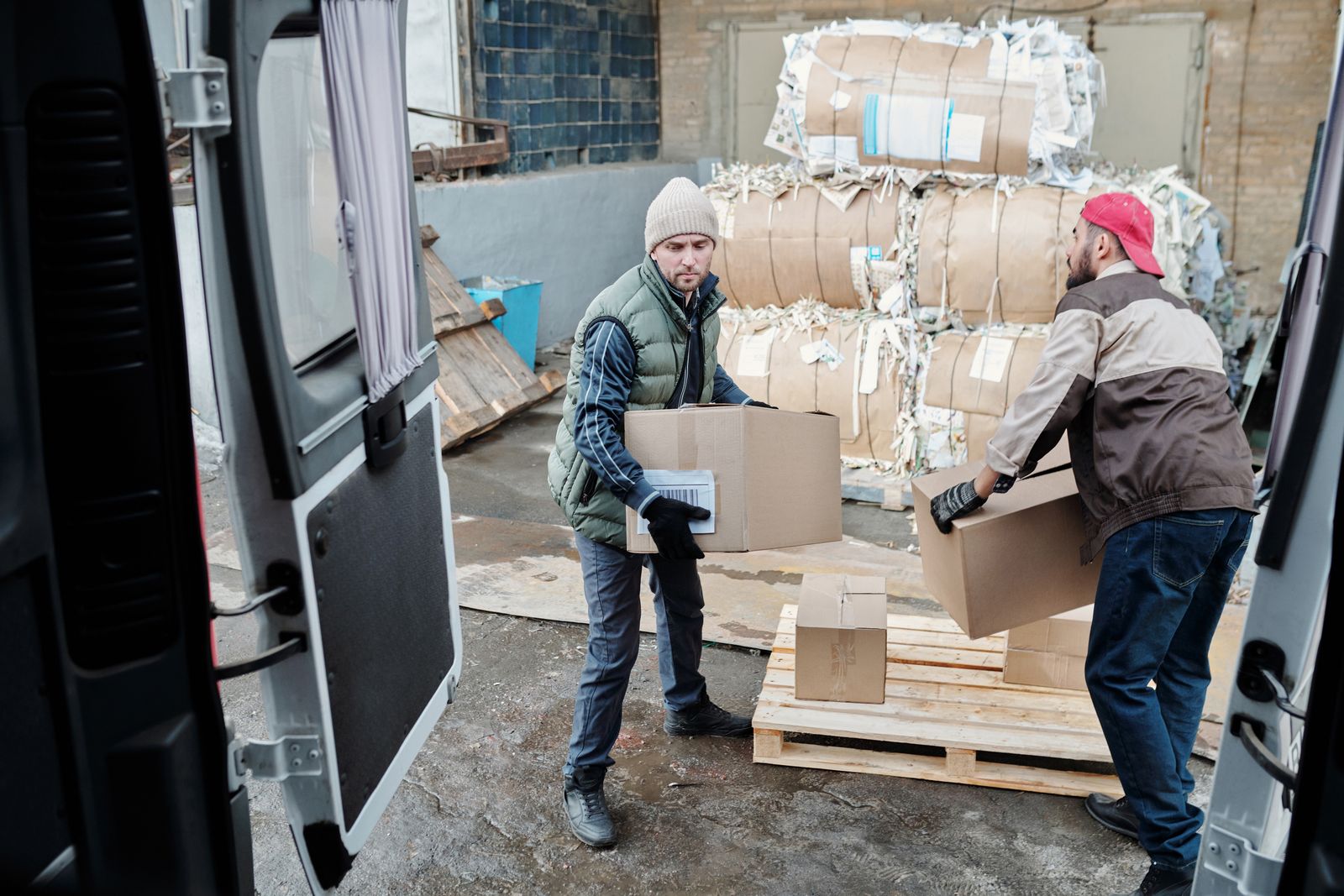
Our own vehicles deliver on fixed days to Bawana, Narela, Kundli, Badli, Wazirpur, Okhla, Gurugram, Manesar, Faridabad, Noida and Greater Noida, which lets a brand run on a week of carton stock rather than a month. Elsewhere in India, cartons ship flat on pallets by part-load transporter in two to four days with a test carton sent ahead. White sample in 48 hours, printed sample in four working days, bulk in 7–10 working days, repeats in 7: that is the corrugated box manufacturing process timeline we commit to.
Brands already on this schedule are listed on the packaging clients page and the boxes themselves in the packaging gallery.
Sustainability notes on corrugated box manufacturing process
Corrugated board is among the most recycled materials in India. Our liners blend recycled fibre with virgin kraft, and a mill declaration of recycled content is available for sustainability reports. Water-based adhesives and wet lamination mean no solvent emissions; die-cutting offcuts are baled and returned to the mill. Brands with a plastic-reduction target can apply this to corrugated box manufacturing process by replacing EPE foam inserts with die-cut corrugated inserts. Ask for a mono-material sample and we show both options side by side.
Corrugated box manufacturing process: frequently asked questions
Minimum order? 1,000 boxes per SKU. Sample time? White in 48 hours, printed in four working days. Bulk lead time? 7–10 working days; repeats 7. Where do you deliver? Own fleet across Delhi NCR, transporter across India. Can you design the box? Yes, pre-press prepares dielines and adapts artwork. Certified? ISO 9001:2015, MSME, Udyog Aadhaar. For anything about corrugated box manufacturing process not covered here, WhatsApp 98107 42123. Factory visits at IMT Kharkhoda are welcome any working day.
Glossary for corrugated box manufacturing process
Flute: the wavy inner layer of corrugated board; E, B and C are the common profiles. Liner: the flat paper on each face. Medium: the paper that is fluted. GSM: grams per square metre, the weight of a paper layer. Bursting factor: a strength figure for the finished board. ECT: edge crush test, a stacking-strength measure. Cobb: water absorption in a fixed time. Duplex: coated white board used as a printed top liner. Dieline: the flat drawing of a box with cuts and folds.
RSC: regular slotted carton, the standard shipper. Crash-lock: a base that locks when the carton is opened. Mailer: a one-piece e-commerce box with a tuck-in lid. Master carton: an outer box holding several retail units. Wet lamination: bonding a printed sheet to board with water-based adhesive. CTP: computer-to-plate. Knowing these makes any corrugated box manufacturing process quote easy to read.
Comparing two quotes fairly when corrugated box manufacturing process is involved
Put both quotes on the same specification before you look at price. Ask each supplier for flute profile, the GSM of every layer, the bursting factor, print process and colour count, finish, insert type and whether delivery is included. If one quote lacks any of these, it cannot be compared. Then ask where each process happens; if printing, lamination or corrugation is sub-contracted, add that vendor’s margin and transit time.
Next, compare sampling terms: a supplier that charges for the first printed sample or takes two weeks to produce it is signalling how repeats will go. Finally compare paperwork: a per-lot test report and a signed colour sample should be standard. Brands who run this exercise on corrugated box manufacturing process usually find a trader quote 20–30% above a factory quote for the identical box.
See corrugated box manufacturing process on the factory floor: planning a visit
Visits to IMT Kharkhoda are welcome any working day; the plant is 12 km from Bawana, 9 km from Kundli and a direct expressway run from Manesar, Faridabad and Noida. Bring your current box and a product sample. In two hours you can see pre-press and the stored colour samples, watch a sheet come off the Heidelberg press, compare a laminated and a metallised sheet, note the flute types in stock, fold a box from the die-cutter and watch a bursting test on a live lot.
We size, test and quote your corrugated box manufacturing process requirement on the spot and send the written quote the same day. WhatsApp 98107 42123 with a preferred date so the relevant samples and reports are ready. If a visit is not practical, the same walk-through can be done on a video call with the sample couriered afterwards.
Common mistakes in corrugated box manufacturing process and how to avoid them
Approving a dieline from a drawing rather than a 48-hour white sample; choosing board by price alone; sending JPEG logos that print soft; forgetting the barcode panel until the proof stage; placing text within 5 mm of a fold; and ordering a retail carton without its master carton so the two never fit. Each appears here because a real brand made it once, and our pre-press team checks for all of them before a proof goes out.
The final mistake in corrugated box manufacturing process is comparing a factory quote to a trader quote without asking where each process is done. Ask for the GSM, the bursting factor and the process location in writing, and the comparison becomes simple.
Leave A Comment